
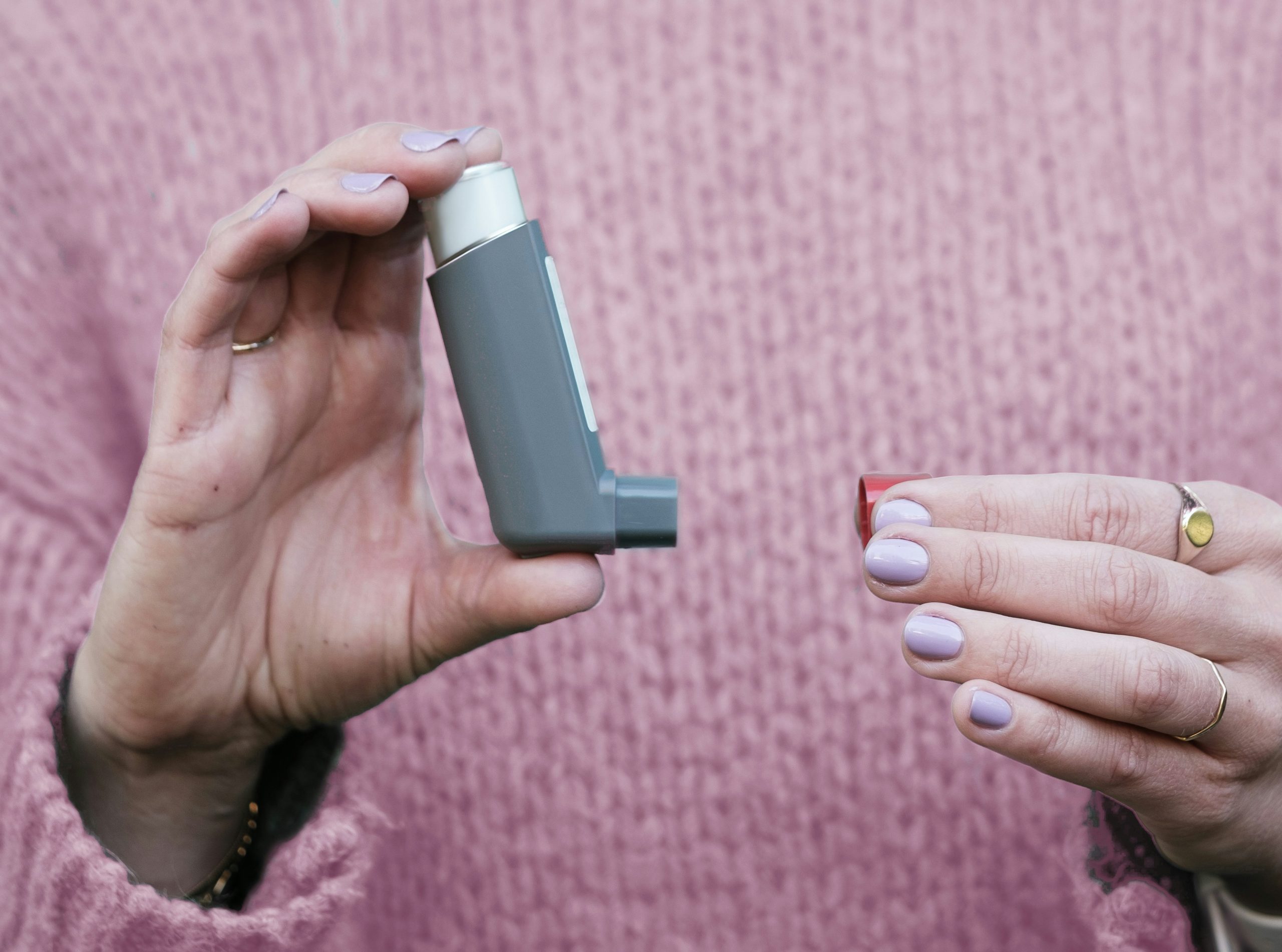
Travelling with Asthma is very manageable for most people, provided symptoms are well controlled and proper preparation is in place. Changes in environment, air quality, altitude, and routine can all trigger symptoms, so planning ahead is essential.
This guide explains how to travel safely with asthma, what to pack, how to manage triggers abroad, and how to reduce the risk of flare-ups during flights and holidays.
Can you travel with asthma safely?
Yes — most people with asthma can travel safely, including flying and international trips. The key factor is asthma control before departure. Well-managed asthma, combined with access to medication and awareness of triggers, significantly reduces risk.
If symptoms have recently worsened or you’ve had a flare-up, speak to a healthcare professional before travelling.
Pre-travel checklist for people with asthma
Good preparation is the most important step in preventing asthma problems while travelling.
Before you travel:
- Ensure asthma is well controlled in the weeks before departure
- Check inhaler technique and medication adherence
- Request repeat prescriptions early
- Carry a written asthma action plan if available
- Confirm your travel insurance covers pre-existing conditions such as asthma
If you rely on a reliever inhaler, ensure you carry at least one spare.
What to pack when travelling with asthma
Packing correctly reduces the risk of complications abroad.
Always bring:
- Preventer inhaler (daily medication)
- Reliever inhaler (always accessible)
- Spacer device (if prescribed)
- Spare inhalers stored separately (hand luggage + bag)
- Prescription copies or medication list (including generic names)
- Travel insurance documents
Important: Never pack essential asthma medication in checked luggage only.
Flying with asthma: What to expect
Air travel is generally safe for people with asthma, but cabin conditions can have mild effects on breathing.
Common triggers on flights include dry air, stress, and limited mobility.
Tips for flying with asthma:
- Keep your reliever inhaler in your seat bag or pocket
- Stay well hydrated before and during the flight
- Avoid alcohol and sedatives before flying
- Follow your usual medication routine without interruption
- Use preventive medication as prescribed
If you’ve recently had a severe flare-up, seek medical advice before flying.
Managing asthma triggers while travelling
Different environments can introduce new triggers. Awareness helps prevent symptoms.
Cold weather
Cold air may narrow airways. Cover your nose and mouth with a scarf when outdoors.
Hot and humid climates
Heat and humidity can increase breathlessness. Avoid peak heat hours and pace activity.
Air pollution
Urban pollution can worsen asthma symptoms. Check air quality forecasts and limit exposure when levels are high.
Allergens
Pollen, dust mites, and mould vary by destination. Those with allergic asthma should monitor local conditions.
Maintaining routine while travelling
Disruption to daily habits is a common reason for symptom flare-ups.
To stay stable:
- Set reminders for preventer inhalers
- Keep hydrated, especially in warm climates
- Prioritise sleep where possible
- Avoid overexertion on arrival days
- Maintain consistent medication timing
Travel insurance and medical preparation
Always ensure your travel insurance explicitly covers asthma as a pre-existing condition. Without this, emergency care abroad may be costly.
Before departure:
- Identify local medical facilities at your destination
- Understand how to access emergency care
- Carry medication names using generic terms where possible
When to seek medical help abroad
Seek urgent medical attention if:
- Reliever inhaler use increases significantly
- Symptoms do not improve after reliever use
- You experience breathlessness at rest
- Peak flow readings (if used) drop significantly from baseline
Early treatment reduces the risk of severe exacerbations.
Additional considerations for travelling with asthma
Insecticide spraying on some international flights
Certain countries require aircraft arriving from specific regions to undergo insecticide spraying procedures, sometimes known as aircraft disinsection. While these products are considered safe for the general population when used correctly, some people with asthma may find the spray or its odour irritating.
If you know that aerosols, fragrances, or chemical sprays trigger your symptoms, consider:
- Keeping your reliever inhaler readily accessible
- Wearing a well-fitted N95 or equivalent mask during the spraying process
- Minimising exposure by turning away from the spray until it has moved further down the cabin
If you have severe or poorly controlled asthma, it may be worth checking airline and destination requirements before travel.
Monitoring oxygen levels during travel
For some travellers with more severe or unstable asthma, carrying a pulse oximeter can provide reassurance and help monitor symptoms.
However, it is important to understand that oxygen saturation readings during a flight may be slightly lower than those seen at ground level. Commercial aircraft cabins are pressurised to an altitude lower than the aircraft’s cruising height, and healthy passengers may commonly record oxygen saturations in the low-to-mid 90% range during flight.
Pulse oximeters should be viewed as an additional monitoring tool rather than a replacement for assessing symptoms such as worsening breathlessness, chest tightness, or wheeze.
Medical identification and emergency preparedness
When travelling alone, medical identification can be extremely helpful in an emergency.
A medical alert bracelet or similar identification can quickly inform first responders or fellow travellers that you have asthma and highlight any significant allergies or known triggers.
This can be particularly valuable because the early stages of a severe asthma attack and an allergic reaction may sometimes present with similar symptoms, including breathing difficulty, coughing, and chest tightness.
Consider carrying:
- A medical alert bracelet or necklace
- A list of current medications
- Details of significant allergies, if applicable
- Emergency contact information
For solo travellers, these simple precautions can help ensure faster and more appropriate assistance if urgent medical attention is required.
Key takeaway
Travelling with asthma is safe for most people when the condition is well controlled and medication is properly managed. Preparation, awareness of triggers, and access to treatment are the three most important factors in ensuring a safe and comfortable trip.