
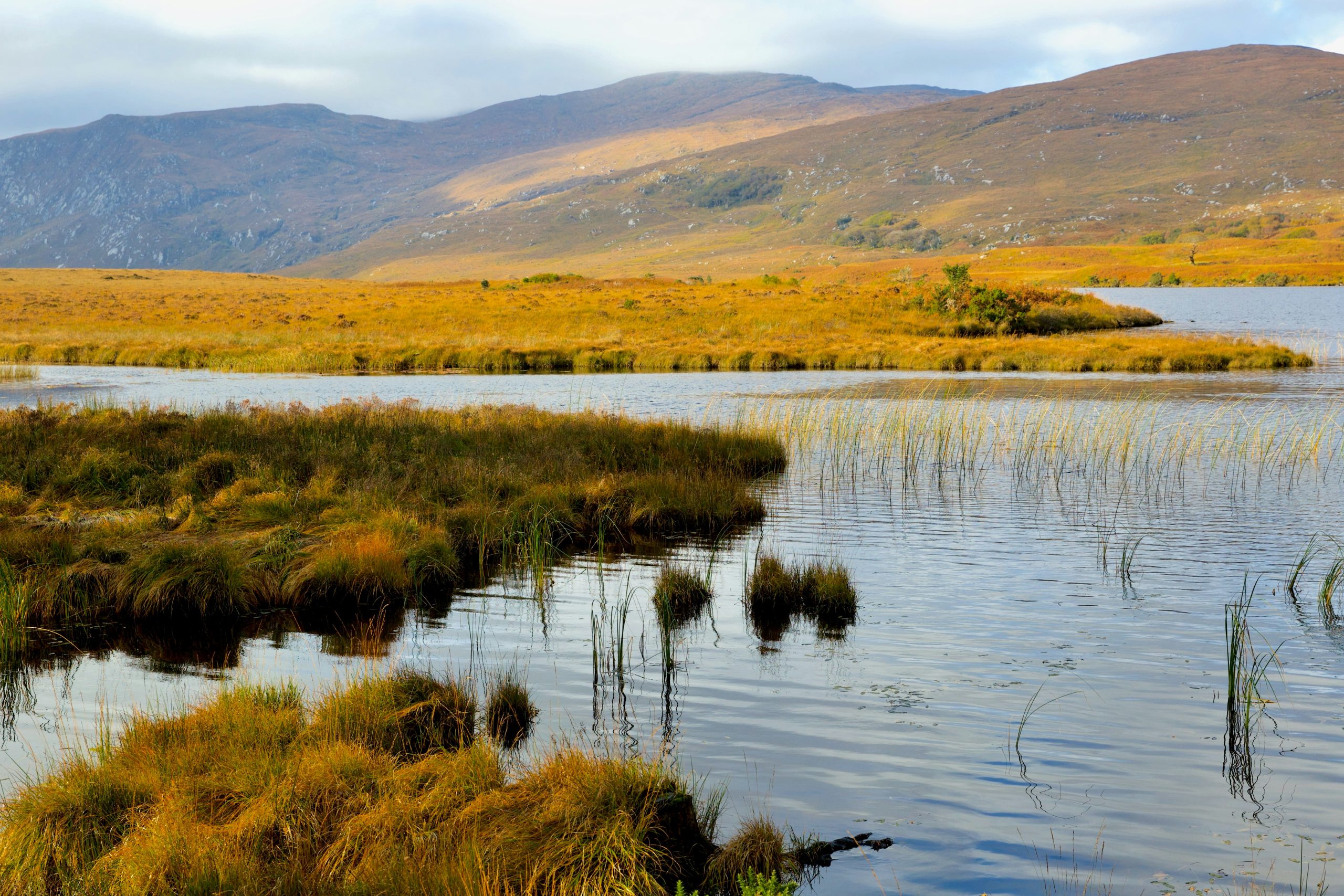
After a prolonged period of dry weather, heavy rainfall can bring welcome relief, but for anyone planning to swim, canoe, fish or otherwise spend time in Ireland’s rivers, lakes and waterways, there is one potential health risk worth keeping in mind.
Leptospirosis is a bacterial infection that can be transmitted to humans through water or soil contaminated with the urine of infected animals. In Ireland, rats are the most common source of human infection.
For those heading outdoors following periods of heavy rain, a few simple precautions can help reduce the risk.
What is Leptospirosis?
Leptospirosis is a bacterial infection caused by Leptospira bacteria. The bacteria can be carried by several animals, including rats, and can enter the human body through cuts and abrasions in the skin or through the eyes, nose or mouth.
In Ireland, contaminated water can be found in places including rivers, ponds, canals, ditches and along riverbanks. People who swim, canoe, fish or take part in other recreational activities in or around freshwater can therefore be exposed.
The risk can become more relevant after heavy rainfall. Rainwater can wash contaminated material from riverbanks and surrounding land into waterways, while increased water levels and flooding can also spread contamination over a wider area.
This is particularly important for anyone with cuts or grazes on their legs or other exposed areas of skin.
An Irish Outbreak Highlights the Risk
This is not simply a theoretical concern.
In 2001, an outbreak of leptospirosis was identified among canoeists following a white-water event on the River Liffey. Six participants were confirmed as having leptospirosis, with five requiring hospitalisation.
The investigation found that swallowing more than one mouthful of river water was associated with an increased risk of infection. Increased rainfall and the release of hydroelectric water were also identified as possible contributing factors.
The outbreak demonstrates why anyone participating in freshwater activities should take sensible precautions, particularly when weather conditions have changed significantly.
It is Not Just Swimmers Who Need to be Careful
You do not necessarily have to get into the water to encounter contaminated material.
Walkers, anglers and other outdoor enthusiasts may come into contact with wet ground, mud or riverbanks. Golfers should also be aware of the risk when retrieving balls from water hazards, ponds or particularly wet, swampy areas.
The risk is generally associated with contact with contaminated water or soil, particularly where there is an opportunity for the bacteria to enter through broken skin.
What are the Symptoms of Leptospirosis?
Leptospirosis can initially resemble a flu like illness, making it difficult to recognise without considering a person’s recent activities and possible exposure.
Symptoms can include:
• Fever
• Headache
• Chills
• Muscle aches and pains
• Tiredness
• Nausea or vomiting
• Red or irritated eyes
• Abdominal symptoms
More severe infection can affect the kidneys, liver, lungs or other organs and can become life threatening if not treated.
Symptoms usually develop within several days to a few weeks after exposure. Anyone who develops a fever or flu like illness after recent contact with potentially contaminated freshwater should tell their doctor about the exposure, particularly if they have been swimming, canoeing, fishing or otherwise in contact with rivers, lakes or wet ground.
Early recognition and appropriate antibiotic treatment are important.
How Can you Reduce your Risk of Leptospirosis?
You do not necessarily need to avoid outdoor activities altogether. A few straightforward precautions can reduce unnecessary exposure.
Cover cuts and grazes. Use waterproof dressings to cover any broken skin before taking part in water-based activities.
Avoid obviously polluted water. Do not swim, canoe or take part in recreational activities in water that appears polluted.
Try not to swallow the water. Avoid putting potentially contaminated freshwater in your mouth.
Minimise contact with contaminated mud and water. This is particularly relevant when walking along riverbanks or retrieving golf balls from water hazards.
Shower after freshwater activities. Shower thoroughly as soon as reasonably possible after spending time in rivers, lakes or other potentially contaminated water.
Wash clothing and equipment. Clean clothing, footwear and equipment that have been exposed to muddy or potentially contaminated water.
Enjoy the Outdoors, but Know the Risks
Ireland’s rivers and lakes provide plenty of opportunities for outdoor recreation, particularly during the summer months. Leptospirosis remains an uncommon infection, but it is a risk that is worth understanding, especially when weather conditions lead to increased rainfall and runoff.
The key message is not to avoid freshwater activities, but to take sensible precautions and be aware of the symptoms.
If you become unwell following freshwater exposure, make sure you tell your healthcare professional about the activity and when it took place. That information can help them consider leptospirosis as part of the diagnosis and ensure appropriate treatment is started promptly.