
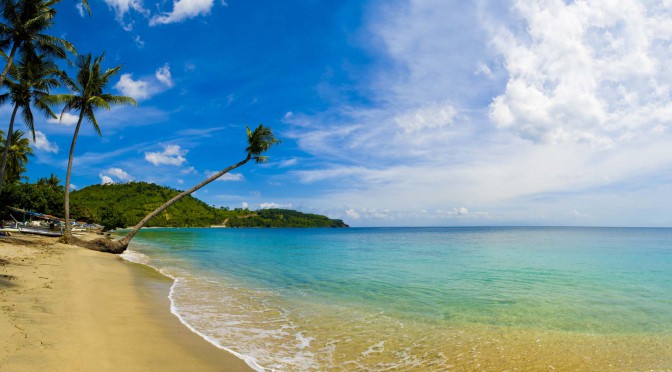
Whether you’re cooling off in a hotel pool, snorkelling in tropical waters or taking a dip in a lake, swimming is one of the highlights of many holidays. However, unfamiliar environments can present risks that aren’t always obvious.
By taking a few simple precautions, you can significantly reduce your risk of accidents, illness and injury while enjoying the water abroad. Learn more about swim safety while travelling abroad.
Swimming Pool Safety on Holiday
Most hotel and resort swimming pools are safe, well-maintained and regularly treated to minimise the spread of infection. Even so, it’s worth carrying out a few quick checks before diving in.
Before using a swimming pool, consider the following:
- Is a qualified lifeguard on duty?
- Does the water look clean and clear enough to see the bottom?
- Is the pool properly maintained and filtered?
- Are safety rules clearly displayed?
- Is there adequate shade around outdoor pools?
- Are the changing and shower facilities clean?
Well-maintained, chlorinated pools generally carry a very low risk of infection. However, excessive chlorine can sometimes irritate the eyes, skin and respiratory system, particularly for people with asthma or sensitive skin. Wearing swimming goggles may help reduce eye irritation.
Young children’s pools can carry a higher risk of contamination if nappies leak or hygiene standards are poor. Encourage children to take regular bathroom breaks and avoid swimming if anyone in your group has diarrhoea or a gastrointestinal illness.
Sea Swimming Safety Abroad
Swimming in the sea can be an unforgettable experience, but conditions vary greatly around the world. Even experienced swimmers should never underestimate unfamiliar waters.
Before entering the sea:
- Check local weather and sea conditions.
- Pay attention to lifeguard flags and warning signs.
- Ask local lifeguards or guides about currents, tides and marine hazards.
- Avoid swimming alone.
- Stay within designated swimming areas whenever possible.
Be Aware of Marine Wildlife
Depending on your destination, you may encounter:
- Jellyfish
- Sea urchins
- Stingrays
- Lionfish and stonefish
- Sea snakes
- Sharks
Encounters are uncommon, but it’s important to follow local advice and avoid touching or disturbing marine life.
Watch for Water Quality
In some destinations, untreated sewage or polluted runoff can enter coastal waters after heavy rainfall or due to inadequate infrastructure. Avoid swimming if the water appears discoloured, has an unpleasant smell or if local authorities have issued health warnings.
On beaches where animals roam freely, parasites may also be present in the sand. Wearing sandals or flip-flops and using a beach towel or sun lounger can help reduce exposure.
Freshwater Swimming Risks
Lakes, rivers and freshwater lagoons may appear inviting, but they can pose significant health risks in many parts of the world.
In regions of Africa, South America, the Middle East and parts of Asia, freshwater may contain parasites that cause diseases such as schistosomiasis (also known as bilharzia). Infection occurs when parasite larvae penetrate the skin during swimming or wading.
Even if local guides suggest a particular area is safe, it’s best to follow official travel health advice before entering freshwater.
Other hazards can include:
- Strong currents
- Hidden rocks or submerged objects
- Poor water quality
- Dangerous wildlife, including crocodiles and hippopotamuses in some regions
Unless local authorities confirm it is safe, it’s generally advisable to avoid swimming in freshwater lakes and rivers in high-risk destinations.
Scuba Diving Safety
Scuba diving is an excellent way to explore the underwater world, but it requires proper training and reputable operators.
Before booking a dive:
- Choose a licensed and well-reviewed dive operator.
- Ensure equipment is modern and well maintained.
- Attend the full safety briefing.
- Never dive beyond your level of certification.
- Inform your instructor of any medical conditions, particularly heart or lung conditions, asthma or epilepsy.
Some dive centres may require a medical assessment before allowing participation, particularly for advanced dives.
Boating and Water Sports
Whether you’re kayaking, paddleboarding, canoeing or taking a boat excursion, always wear a properly fitted life jacket—even if you’re a confident swimmer.
Many drowning incidents occur close to shore and involve experienced swimmers who underestimated conditions.
General Swim Safety Tips for Travellers
To stay safe in the water while travelling:
- Never swim alone.
- Avoid swimming after drinking alcohol.
- Stay hydrated and protect yourself from the sun.
- Supervise children at all times around water.
- Know your limits and avoid swimming in rough conditions.
- Follow local safety advice and warning signs.
Before You Travel
If you’re planning an active holiday involving swimming, snorkelling, scuba diving or water sports, it’s worth discussing your travel plans with a travel health specialist before departure. They can advise on destination-specific health risks, recommended vaccinations and ways to reduce your risk of illness while abroad.
A little preparation can help ensure your holiday memories are made for all the right reasons.