
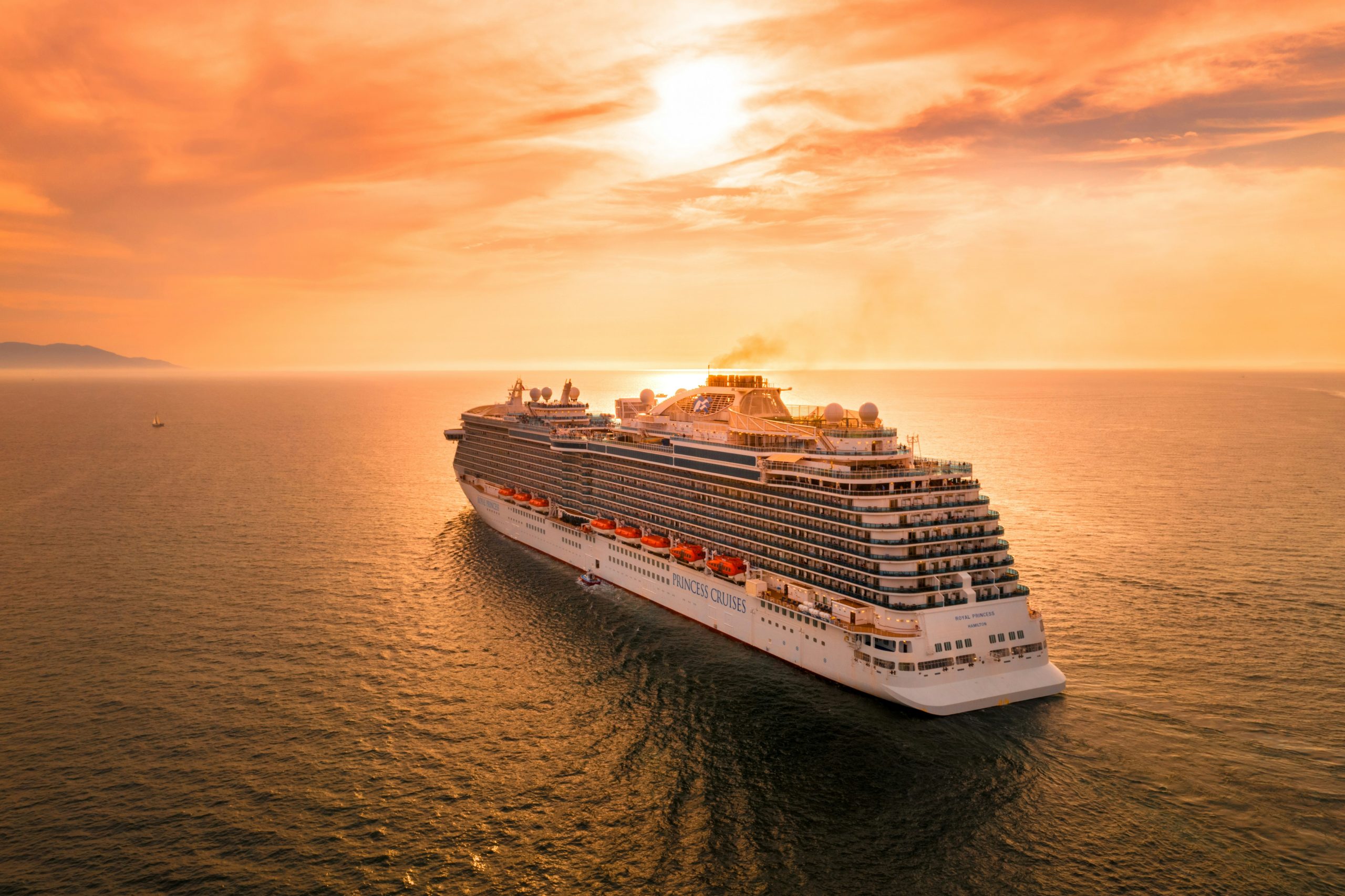
Cruise holidays continue to grow in popularity, offering travellers the chance to visit multiple destinations while enjoying the convenience of unpacking only once. Mediterranean sailings, Caribbean escapes and expedition voyages. There are many ways that cruises can be a relaxing and enjoyable way to travel.
However, with thousands of passengers sharing dining areas, pools, entertainment spaces and excursions, maintaining good health onboard is an important part of any successful cruise holiday. While major outbreaks onboard ships remain relatively uncommon, illnesses such as norovirus, seasonal flu and respiratory infections can spread more easily in close-contact environments.
Fortunately, staying healthy on a cruise ship is usually straightforward with a few sensible precautions before and during your trip.
Wash Your Hands Regularly
One of the most effective ways to avoid illness on a cruise ship is also one of the simplest: wash your hands frequently.
Cruise ships place strong emphasis on hygiene, particularly around dining areas, but passengers should still take personal responsibility. Washing hands thoroughly with soap and water before eating, after using public facilities and after excursions can significantly reduce the risk of gastrointestinal illnesses such as norovirus.
Hand sanitiser is useful, but soap and water remain the most effective defence against certain stomach viruses.
Stay Hydrated Throughout Your Cruise
Between warm climates, alcohol consumption, air conditioning and long days exploring ports, dehydration can creep up quickly during a cruise holiday.
Drinking plenty of water is important not only for comfort and energy levels, but also for reducing fatigue, headaches and dizziness. This becomes especially important during shore excursions in hot destinations.
Travellers should carry a reusable water bottle where possible and remember that sun exposure at sea can often feel stronger due to reflection from the water.
Be Mindful at Buffets
Buffets are a cruise staple, but they are also high-contact environments with hundreds or even thousands of passengers using the same serving utensils.
Cruise lines maintain strict food safety protocols, but passengers can still take precautions by washing hands before meals, using sanitiser stations and avoiding touching shared utensils unnecessarily.
If food appears undercooked or has been sitting out too long, it is best avoided.
Protect Yourself from Sun Exposure
Many cruise itineraries involve long periods outdoors, whether by the pool, on deck or during shore excursions. Sunburn and heat exhaustion are among the most common health complaints on cruises, particularly in tropical regions.
Travellers should apply sunscreen regularly, wear hats and sunglasses, and avoid prolonged direct sun exposure during the hottest parts of the day.
Even on cooler or windy days, UV exposure at sea can be surprisingly strong.
Don’t Ignore Motion Sickness
Even experienced travellers can occasionally feel the effects of rough seas, particularly on smaller ships or during bad weather.
Passengers prone to seasickness should consider bringing motion sickness tablets, wristbands or other remedies before boarding. Choosing a mid-ship cabin on a lower deck can also help reduce the sensation of movement.
Most modern cruise ships are highly stabilised, but conditions can still vary depending on itinerary and weather.
Get Enough Rest
Cruise holidays can quickly become busy, with late nights, early excursions and packed itineraries. Fatigue can weaken the immune system and make travellers more susceptible to illness.
Building in downtime, sleeping adequately and not trying to do everything onboard can help maintain energy levels throughout the trip.
Balancing activity with rest is especially important on longer cruises or expedition-style voyages.
Stay Aware During Shore Excursions
Many cruise-related illnesses or injuries actually occur off the ship during excursions.
Travellers should follow local health advice, use insect repellent where appropriate, drink safe water and remain cautious with unfamiliar foods if travelling in regions where food hygiene standards may differ.
Adventure excursions such as hiking, kayaking or wildlife tours may also require additional preparation, including suitable footwear, hydration and sun protection.
Travel Insurance Still Matters
Good travel insurance remains essential for cruise holidays. Policies should ideally include cruise-specific cover, medical treatment abroad and emergency evacuation where relevant.
Medical facilities onboard cruise ships can handle many routine issues, but serious illness may require transfer to shore-based hospitals, which can become expensive without proper insurance.
Travellers should also check whether their policy covers missed port departures, itinerary disruptions and excursion-related incidents.
A Few Simple Precautions Go a Long Way
Cruises remain one of the safest and most enjoyable ways to travel, and the vast majority of passengers experience no health issues during their holiday.
In most cases, staying healthy onboard comes down to common-sense habits: wash your hands, stay hydrated, protect yourself from the sun, get enough rest and pay attention to local health guidance during excursions.